


-

Add: HeBei ShengShi HongBang Cellulose Technology CO.,LTD.
-

Email
13180486930@163.com -

CONTACT US
+86 13180486930





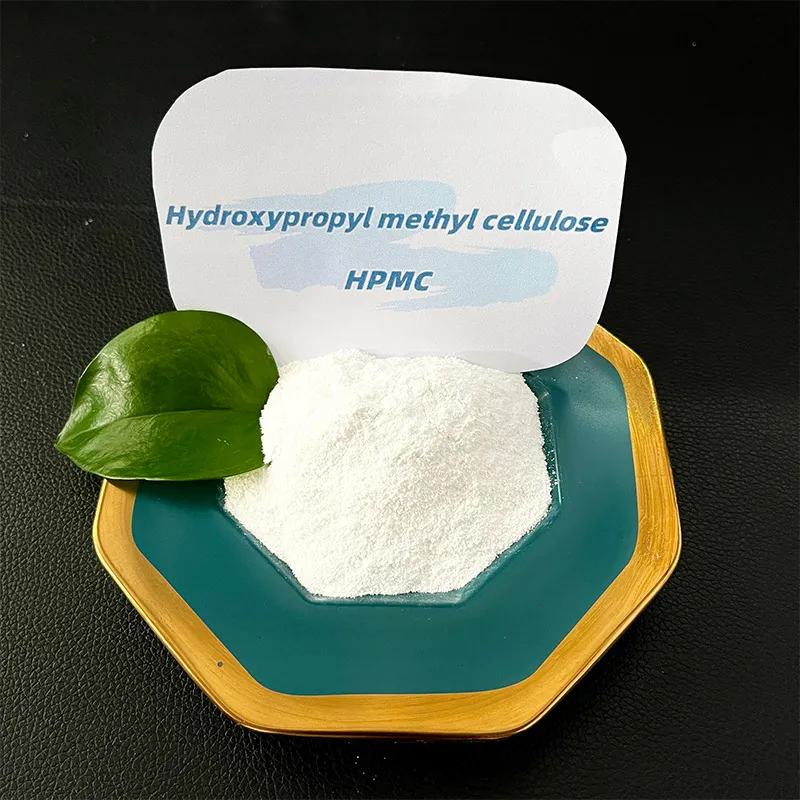
In the vast landscape of chemical manufacturing, Hydroxypropyl Methylcellulose (HPMC) stands out as a crucial compound with diverse applications ranging from construction to pharmaceuticals. When it comes to sourcing HPMC, China emerges as a dominant player in the global market, home to some of the most reputable manufacturers known for producing high-quality HPMC products. This article explores the landscape of HPMC manufacturers in China, emphasizing the importance of Experience, Expertise, Authoritativeness, and Trustworthiness (E-E-A-T) for international buyers seeking reliable partners. Navigating the intricate world of chemical suppliers, buyers often seek companies with extensive experience, as it serves as a testament to a manufacturer’s ability to consistently produce quality products and adapt to changing market demands. China’s HPMC manufacturers typically boast decades of experience in the field . These manufacturers have honed their production processes to ensure high purity and consistency, critical factors for industries such as pharmaceuticals, where HPMC is used in drug formulation. Expertise is another critical factor that sets top Chinese HPMC manufacturers apart. The best manufacturers invest in cutting-edge research and development to refine their production processes continually. This commitment not only enhances the quality of their products but also expands their application range – from improving water retention in cement-based materials to acting as a binder and viscosity agent in food products. Many leading Chinese manufacturers maintain state-of-the-art laboratories and collaborate with research institutions to stay at the forefront of technological advancements in polymer science. The authoritativeness of a manufacturer can often be gauged by their certification credentials and international recognition. Top-tier HPMC manufacturers in China typically hold various international certifications such as ISO 9001 for quality management systems and GMP (Good Manufacturing Practice) for pharmaceutical-grade HPMC. Such certifications underscore their commitment to maintaining rigorous quality standards. Moreover, these manufacturers often participate in international exhibitions and trade fairs, which not only boost their industry reputation but also provide platforms for showcasing their innovative products globally. hpmc manufacturers in china Trustworthiness is paramount in selecting the right HPMC manufacturer. Chinese manufacturers often foster trust by engaging transparently with international clients, offering comprehensive information on product specifications, production processes, and quality assurance measures. Furthermore, many reputable manufacturers provide supply chain transparency, allowing clients to trace the journey of their products from production to delivery. By building long-term relationships with clients and offering excellent after-sales support, Chinese HPMC manufacturers cultivate a sense of trust essential for successful business partnerships. While selecting an HPMC manufacturer in China, international buyers are encouraged to conduct thorough due diligence. Engaging with manufacturers who have a substantial online presence, positive client reviews, and robust customer service can significantly impact the ease and success of business transactions. Moreover, leveraging platforms like trade associations and networking events can provide additional insights into the reliability and capabilities of potential suppliers. In conclusion, the landscape of HPMC manufacturers in China is characterized by profound expertise, solid experience, and a commitment to quality, making it a fertile ground for sourcing this vital compound. By emphasizing the E-E-A-T principles, international buyers can navigate this competitive market effectively, ensuring they partner with manufacturers who align with their strategic and operational goals. Such an informed approach not only optimizes product acquisition but also lays the foundation for long-lasting, mutually beneficial partnerships in the vibrant chemical manufacturing industry.
- 40000tons

Production
- 20+years

Experience
- 5000+㎡

Acreage

-

The demand for high-quality rubber products has never been higher, driven by advancements in manufacturing, sustainability, and innovation. One such product that is gaining significant attention is rubber powder for sale . This versatile material, derived from recycled rubber, is being used across a wide array of industries, including construction, automotive, and sports. Its growing popularity is not just about its functionality but also its environmental benefits, as it promotes the recycling of rubber waste into valuable raw materials. In this article, we will explore the importance of rubber powder for sale and its many applications, as well as highlight some of the specialized rubber products such as rubber accelerator free gloves , micronized rubber powder , and natural rubber powder that are contributing to a greener future. The Advantages of Using Rubber Powder for Sale in Various Industries Rubber powder for sale is a product that offers incredible versatility, used in applications ranging from asphalt production to the manufacturing of high-performance sports surfaces. As a sustainable and eco-friendly material, rubber powder for sale is primarily sourced from used tires and other rubber waste products. By recycling rubber into powder form, this material can be easily integrated into a wide range of manufacturing processes. One of the key benefits of rubber powder for sale is its role in enhancing the durability and flexibility of materials. In asphalt, for example, rubber powder can be blended into mixtures to improve the road’s resilience, longevity, and resistance to weathering. This not only contributes to better infrastructure but also plays a role in reducing the amount of waste rubber that would otherwise end up in landfills. Additionally, rubber powder for sale is used in the production of playground surfaces, sports tracks, and flooring materials. Its shock-absorbing properties ensure that these surfaces are safe, durable, and long-lasting. With growing concerns over environmental sustainability, utilizing rubber powder for sale in these applications offers a solution to both waste management and product innovation. The Rising Popularity of Rubber Accelerator Free Gloves in Industrial Applications For industries that require personal protective equipment (PPE), rubber accelerator free gloves are becoming an increasingly popular choice. These gloves are made from rubber compounds that do not use chemical accelerators during the manufacturing process, making them safer for workers with sensitive skin and reducing exposure to harmful substances. As the demand for environmentally friendly products grows, rubber accelerator free gloves are gaining traction due to their non-toxic nature and hypoallergenic properties. The key advantage of rubber accelerator free gloves lies in their ability to maintain the same performance levels as traditional gloves without the risks associated with accelerator chemicals. These gloves offer excellent elasticity, durability, and resistance to abrasions, ensuring that workers are protected in environments where they handle chemicals, medical instruments, or machinery. In addition to the health and safety benefits, rubber accelerator free gloves are also favored for their environmentally friendly composition. As industries continue to prioritize sustainability, the switch to rubber accelerator free gloves offers a safer and greener alternative to traditional rubber-based PPE products. The Role of Micronized Rubber Powder in Enhancing Product Performance Micronized rubber powder is a finely ground form of rubber that offers a range of performance-enhancing benefits for various products. This ultra-fine powder is produced by grinding rubber down to micron sizes, which significantly increases its surface area and allows it to be incorporated more effectively into different materials. The benefits of micronized rubber powder are numerous, especially in applications where durability, elasticity, and impact resistance are key considerations. One of the most common uses of micronized rubber powder is in the production of high-performance coatings, sealants, and adhesives. The finely ground powder improves the elasticity and durability of these products, allowing them to withstand harsh environmental conditions such as extreme temperatures and moisture. It is also used in rubber compounds to improve the overall flexibility and resilience of the material. In addition, micronized rubber powder is increasingly being incorporated into the manufacturing of tires, flooring materials, and automotive components. By enhancing the rubber’s strength and flexibility, micronized powder can contribute to longer-lasting and more reliable products. Furthermore, it can be used to reduce costs in production by replacing a portion of more expensive raw materials, all while contributing to sustainability efforts by using recycled rubber. Natural Rubber Powder: A Sustainable Option for Eco-Friendly Manufacturing As industries seek to reduce their environmental footprint, natural rubber powder has emerged as a sustainable option for a wide range of applications. This powder is derived from natural rubber, making it a renewable resource that can be used in products that require high elasticity and durability. The use of natural rubber powder is particularly important in industries such as construction, automotive, and footwear, where the material’s superior properties are highly valued. One of the key benefits of natural rubber powder is its ability to provide excellent flexibility and strength without the use of synthetic additives. This makes it an ideal choice for manufacturing products that need to maintain their shape and integrity over time, such as automotive seals, gaskets, and hoses. By utilizing natural rubber powder , manufacturers can create eco-friendly products that offer the same performance as their synthetic counterparts while minimizing their impact on the environment. R ubber powder for sale , along with specialized products such as rubber accelerator free gloves , micronized rubber powder , and natural rubber powder , is transforming industries by providing sustainable, eco-friendly solutions that enhance performance and reduce environmental impact. As the world continues to prioritize sustainability, these rubber products are becoming essential components in a wide range of applications, from construction to personal protective equipment. By embracing rubber powder for sale and its various forms, industries can reduce their reliance on virgin materials, minimize waste, and create products that offer superior performance and durability. Whether it’s for improving road surfaces, producing high-quality gloves, or enhancing rubber compounds, these innovative rubber products are paving the way for a greener, more sustainable future.
-
Hydroxypropyl methylcellulose (HPMC) is an exceptional multifunctional ingredient that finds various applications in the cosmetics industry . Renowned for its versatility, HPMC serves as a thickening agent, emulsifier, film former, and stabilizer, making it indispensable in the formulation of numerous beauty and personal care products. One of the most common uses of HPMC in cosmetics is as a thickening agent. Its unique ability to increase viscosity without impacting the appearance of products ensures a smooth application and uniform texture, which is crucial in products like creams, lotions, and gels. For instance, in facial moisturizers, HPMC adds a silky, luxurious feel, enhancing consumer experience while providing optimum hydration through a controlled release mechanism that ensures prolonged moisture retention on the skin. When it comes to emulsification, HPMC ensures that oil and water-based ingredients blend seamlessly in products such as foundations and sunscreens. This results in a stable emulsion that not only looks aesthetically pleasing but also enhances product performance by preventing the separation of ingredients over time. Customers can thus rely on a consistent product experience with every use, reflecting the brand's commitment to quality. HPMC's role as a film former is especially valuable in hair care products like styling sprays and gels. By forming a thin, invisible layer over the hair, it provides a protective barrier that shields the hair from environmental aggressors while maintaining style longevity. Consumers seeking long-lasting hold notice the difference that HPMC brings, as it effectively manages frizz without the undesirable crunchy or sticky residue commonly associated with some styling products. hydroxypropyl methylcellulose uses in cosmetics The stabilizing properties of HPMC are equally beneficial in maintaining the efficacy and shelf-life of cosmetics. It prevents ingredient degradation by acting as a preservative adjunct, thereby protecting sensitive active ingredients interspersed in formulations such as anti-aging serums and eye creams. This stabilization not only safeguards the product's effectiveness but also supports streamlined manufacturing processes, reducing the need for additional preservatives that could disrupt skin compatibility. Incorporating HPMC in formulation speaks to a brand’s expertise in developing advanced cosmetic solutions. Its multifunctional nature aligns perfectly with modern consumer demands for high-quality, performance-driven beauty products. Laboratories involved in product design value HPMC for its non-irritating, biocompatible nature, which minimizes adverse reactions, making products suitable even for those with sensitive skin. As an authoritative choice for cosmetic formulators seeking reliable and innovative solutions, Hydroxypropyl methylcellulose continues to be integral in shaping the future of cosmetics. Its adaptability and functionality firmly position it as an ingredient that not only meets but exceeds consumer expectations, ensuring that brands leveraging its qualities maintain a competitive edge in the ever-evolving beauty landscape.
advantages
-

200000 Viscosities
Excellent product
We can produce pure products up to 200,000 viscosities
-

40000 tons
High yield
We don’t stop production all year round, and the annual output can reach 40,000 tons
-

24 hours
Quality service
We provide 24-hours online reception service, welcome to consult at any time
———— Inquiry Form
Schedule A services

- hydroxypropyl_methylcellulose_in_shampoo
Oct . 25, 2025
Polypropylene fiber ( PP fiber ) has transformed the synthetic fiber market with its remarkable tech -
 produsen_pati_eter
Oct . 25, 2025
Hydroxypropyl methylcellulose (HPMC) is a versatile compound commonly used in various industries, ra - harga_serat_pp
Oct . 25, 2025
HPMC vegetable cellulose, a plant-derived compound, is revolutionizing the way industries approach p


